
Anxiety Treatment
Occasional anxiety is a part of life. However, anxiety disorders can cause heightened levels of anxiety on an ongoing basis and affect every aspect of life. Fortunately, the mental health professionals at iMind are here to help.

What is Anxiety?
Anxiety is part of the body’s “fight-or-flight” mechanism, an evolutionary tool designed to help humans respond to immediate dangers. In moderate amounts, anxiety can help us stay alert, focused, and spur us to action. However, in excess, it can become debilitating and interfere with daily life.
Anxiety Symptoms
Known as anxiety disorders in the treatment world, anxiety encompasses a host of mental and physical symptoms:
- Difficulty concentrating
- Dry Mouth
- Excessive Worry
- Fatigue
- Feeling Dizzy/Lightheaded
- Gastrointestinal Issues
- Heart Palpitations
- Irritability
- Muscle Tension
- Panic Attacks
- Restlessness
- Shortness of Breath
- Sleep Problems
- Sweating
- Trembling or Shaking
In addition to the above, feeling restless – as if you cannot be still -can be a sign of anxiety, as well as teeth grinding, an elevated heart rate, and a feeling of pins and needles (tingling or prickling of the skin). Anxiety can also lead to a feeling of paralysis.
It’s important to remember that anxiety manifests differently in each person affected. Therefore, not everyone will exhibit all symptoms listed above. Individuals may also differ in the expression of symptoms and their severity as well.

How Anxiety Feels
Although it may be hard to recognize anxiety in other people, those with it can be deeply affected.
Fatigue & Sleep Problems
Anxiety can cause exhaustion due to the interplay between psychological, physiological, and biochemical factors. It drains both physical and mental energy. The constant state of heightened awareness, along with disrupted sleep and increased muscle tension, contributes to a cycle of fatigue.
“After a tiring day, when I go to sleep, I am scared that I won’t be able to sleep and that cycle manifests itself in my mind making my body restless and resulting in me not being able to sleep. I have an embedded fear now of not being able to sleep at night. This creates an insomnia cycle.”
-Notreesid, Reddit
“Yes and I realized a while ago why I was so tired. Anxiety keeps your body working much more. Almost constantly. You get drained.”
-euies, Reddit
“More than anything, it’s exhausting. I never realized how much it was draining me until I got on meds.”
-taylor914, Reddit
Fatigue & Sleep Problems
Anxiety can cause exhaustion due to the interplay between psychological, physiological, and biochemical factors. It drains both physical and mental energy. The constant state of heightened awareness, along with disrupted sleep and increased muscle tension, contributes to a cycle of fatigue.
“After a tiring day, when I go to sleep, I am scared that I won’t be able to sleep and that cycle manifests itself in my mind making my body restless and resulting in me not being able to sleep. I have an embedded fear now of not being able to sleep at night. This creates an insomnia cycle.“
-Notreesid, Reddit
“Yes and I realized a while ago why I was so tired. Anxiety keeps your body working much more. Almost constantly. You get drained.”
-euies, Reddit
“More than anything, it’s exhausting. I never realized how much it was draining me until I got on meds.”
-taylor914, Reddit
Panic Attacks
In a state of heightened anxiety, the body’s sympathetic nervous system is activated, releasing large amounts of adrenaline and cortisol. These hormones prepare the body for immediate action but can overwhelm the system when there’s no real threat, leading to symptoms like rapid heart rate and shortness of breath.
“It feels, for lack of a better term, like I’m dying. I can’t breathe, my heart is racing, and I’m shaking, can hardly stand. My mind is racing, trying to form a cohesive thought but only finding more pain. I’m reaching, grasping for something that will make it go away. I could never find it. The attacks would just subside, eventually. The worst part about it was the fact that it was triggered by anything. Slamming a door could cause a panic attack to rip me apart from the inside out.“
-GiantEnemyMatt, Reddit
“I feel dizzy and like my chest is tight. I have to pull air into my lungs as hard as I can or I might not breathe at all. There’s pain in my chest and movements feel shaky. I want to puke, anything to get this feeling out of me. It makes my head swim and everything is a potential escalation. I worry that I might die, that something horrible is happening and imminent. It usually last until I can sleep or somehow relax”
– dummystupid, Reddit
Panic Attacks
In a state of heightened anxiety, the body’s sympathetic nervous system is activated, releasing large amounts of adrenaline and cortisol. These hormones prepare the body for immediate action but can overwhelm the system when there’s no real threat, leading to symptoms like rapid heart rate and shortness of breath.
“It feels, for lack of a better term, like I’m dying. I can’t breathe, my heart is racing, and I’m shaking, can hardly stand. My mind is racing, trying to form a cohesive thought but only finding more pain. I’m reaching, grasping for something that will make it go away. I could never find it. The attacks would just subside, eventually. The worst part about it was the fact that it was triggered by anything. Slamming a door could cause a panic attack to rip me apart from the inside out.“
-GiantEnemyMatt, Reddit
“I feel dizzy and like my chest is tight. I have to pull air into my lungs as hard as I can or I might not breathe at all. There’s pain in my chest and movements feel shaky. I want to puke, anything to get this feeling out of me. It makes my head swim and everything is a potential escalation. I worry that I might die, that something horrible is happening and imminent. It usually last until I can sleep or somehow relax.”
– dummystupid, Reddit
Excessive Worry
Anxiety contributes to excessive worry by activating certain brain regions and neurotransmitters that focus on perceived threats, thereby initiating a loop of intrusive and repetitive thoughts. This heightened focus often involves magnifying risks and outcomes, leading to persistent worry that may be disproportionate to the situation at hand.
“There is an endless struggle of wanting to say the right thing at the right time. Paradoxically, wanting it so much is what causes the inability. You get in your own way. So the answer is to relax and not to care much one way or the other, but that is easier said than done and sometimes feels impossible.”
-luummoonn, Reddit
“Your brain creates problems that don’t exist, with anxiety we tend to assume the worst will happen. This makes us very scared to do normal things.”
“This is the core of anxiety; the inability to turn your brain off from thinking, and putting a negative spin to, every possible action, reaction, and thought. You’re always thinking/expecting that you messed up, that everyone is annoyed or upset with you, or that things will turn out bad.
-SentretPirouette, Reddit
Excessive Worry
Anxiety contributes to excessive worry by activating certain brain regions and neurotransmitters that focus on perceived threats, thereby initiating a loop of intrusive and repetitive thoughts. This heightened focus often involves magnifying risks and outcomes, leading to persistent worry that may be disproportionate to the situation at hand.
“There is an endless struggle of wanting to say the right thing at the right time. Paradoxically, wanting it so much is what causes the inability. You get in your own way. So the answer is to relax and not to care much one way or the other, but that is easier said than done and sometimes feels impossible.”
-luummoonn, Reddit
“Your brain creates problems that don’t exist, with anxiety we tend to assume the worst will happen. This makes us very scared to do normal things.”
VS (BlurtItOut.org, 2017)
“This is the core of anxiety; the inability to turn your brain off from thinking, and putting a negative spin to, every possible action, reaction, and thought. You’re always thinking/expecting that you messed up, that everyone is annoyed or upset with you, or that things will turn out bad.”
-SentretPirouette, Reddit
Gastrointestinal Issues
A complex web of neural, hormonal, and immune connections tightly links the gut and brain. This gut-brain axis allows each to influence the other. When anxiety activates the body’s stress response, the gut-brain axis also gets activated, leading to a range of gastrointestinal issues.
“For me, constant nausea is a huge indicator my anxiety is really bad on the day to day and I need to make change(s) in some aspect of my life.”
-Pale-Pin-7982, Reddit
“Before I was diagnosed with General anxiety disorder I swore there was something wrong with me. I saw every GI dr I could, had every test under the sun because my stomach pain was absolutely unbearable. I even went to the ER a few times for it. One doctor finally sat me down and noticed how high strung I was, said nothing was wrong with me physically. He changed my life. Forever thankful.”
-Dirty-girl, Reddit
“Anxiety gave me full blown GERD. There’s is definitely a link between anxiety and GI..”
-Expensive-Umpire-975, Reddit
“I think my stomach and my anxiety reinforce each other. If I’m anxious it affects my digestion badly which in turn makes me more anxious. It’s a spiral.. it’s particular prevalent in social situations.”
-temp1234565
Gastrointestinal Issues
A complex web of neural, hormonal, and immune connections tightly links the gut and brain. This gut-brain axis allows each to influence the other. When anxiety activates the body’s stress response, the gut-brain axis also gets activated, leading to a range of gastrointestinal issues.
“For me, constant nausea is a huge indicator my anxiety is really bad on the day to day and I need to make change(s) in some aspect of my life.“
-Pale-Pin-7982, Reddit
“Before I was diagnosed with General anxiety disorder I swore there was something wrong with me. I saw every GI dr I could, had every test under the sun because my stomach pain was absolutely unbearable. I even went to the ER a few times for it. One doctor finally sat me down and noticed how high strung I was, said nothing was wrong with me physically. He changed my life. Forever thankful.”
-Dirty-girl, Reddit
“Anxiety gave me full blown GERD. There’s is definitely a link between anxiety and GI..”
-Expensive-Umpire-975, Reddit
“I think my stomach and my anxiety reinforce each other. If I’m anxious it affects my digestion badly which in turn makes me more anxious. It’s a spiral.. it’s particular prevalent in social situations.”
-temp1234565
Heart Palpitations
Anxiety causes heart palpitations through the release stress hormones, like adrenaline. These hormones increase the heart rate and force of contraction, leading to palpitations. The sensation of palpitations can further exacerbate anxiety, creating a feedback loop that may require intervention.
“Skipped beats, ‘thumps’, sudden catch in your chest, a need to gasp for breath, etc. Not a single one an actual issue for me — went on a monitor for two days and hit the “event” button every time I felt one of these sensations that I was sure had to be my heart. EKG was totally normal. Anxiety does super weird things.”
-zerobeat, Reddit
“I genuinely thought I was having a heart attack, in fact my BPM was so high I was not in normal sinus rhythm, went to the ER to find out that is just a totally normal panic attack.”
–_Noise, Reddit
“Mine feels like my heart does a flip and then my chest does this weird tingling sensation right after that starts from the center and spreads across. I hate it. ”
-yourremedy94, Reddit
Heart Palpitations
Anxiety causes heart palpitations through the release stress hormones, like adrenaline. These hormones increase the heart rate and force of contraction, leading to palpitations. The sensation of palpitations can further exacerbate anxiety, creating a feedback loop that may require intervention.
“Skipped beats, ‘thumps’, sudden catch in your chest, a need to gasp for breath, etc. Not a single one an actual issue for me — went on a monitor for two days and hit the “event” button every time I felt one of these sensations that I was sure had to be my heart. EKG was totally normal. Anxiety does super weird things.”
-zerobeat, Reddit
“I genuinely thought I was having a heart attack, in fact my BPM was so high I was not in normal sinus rhythm, went to the ER to find out that is just a totally normal panic attack.”
–_Noise, Reddit
“Mine feels like my heart does a flip and then my chest does this weird tingling sensation right after that starts from the center and spreads across. I hate it.”
-yourremedy94, Reddit
Anxiety Controls Your Thoughts
Others vividly describe feeling as though they are not quite in the driver’s seat of their own minds and thoughts.
“Every thought is tainted with pessimism. Everything is going to be worst case scenario, if it isn’t already”
.–toxic9813, Reddit
“Like a group of people in your head are incoherently shouting at you, all telling you different things and overloading you with information.”
“Social anxiety will make you do weird things, such as holding onto an apple core for 45 minutes during a meeting because you’re too anxious to go to the trash can that’s 10 feet away. Or waiting for someone else to throw out their apple core first so you know it’s okay, but waiting a few minutes after they do so you don’t look like you were waiting for them. And trying not to stumble because you know everyone is watching you walk and then feeling really proud and relieved when you arrive back at your seat after having successfully thrown away an apple core, like it’s a difficult task.“
-Lackof_supervision, Reddit
Anxiety Controls Your Thoughts
Others vividly describe feeling as though they are not quite in the driver’s seat of their own minds and thoughts.
“Every thought is tainted with pessimism. Everything is going to be worst case scenario, if it isn’t already.”
–toxic9813, Reddit
““Like a group of people in your head are incoherently shouting at you, all telling you different things and overloading you with information.”
“Social anxiety will make you do weird things, such as holding onto an apple core for 45 minutes during a meeting because you’re too anxious to go to the trash can that’s 10 feet away. Or waiting for someone else to throw out their apple core first so you know it’s okay, but waiting a few minutes after they do so you don’t look like you were waiting for them. And trying not to stumble because you know everyone is watching you walk and then feeling really proud and relieved when you arrive back at your seat after having successfully thrown away an apple core, like it’s a difficult task.“
-Lackof_supervision, Reddit
A Crafty Impostor
Some people with anxiety describe the condition as a sense of being taken over by an impostor.
“When I’m feeling anxious, I often feel my normal self has been replaced by a crafty impostor. Someone who looks just you, but acts like someone else entirely — mostly, a lot of blank stares and fidgeting and not much interesting to say.
Where did I go? I ask myself in these moments.
It has an out-of-body quality to it. I’m watching the impostor from the outside, powerless to fight him off and show everyone the real me. Anxiety has decided to throw a party, and the impostor was the only person invited. How rude, my normal self thinks.”
-Anonymous, Healthline
What Causes Anxiety?
Anxiety disorders, like many other mental health conditions, arise from a variety of factors. It can be genetically passed down or it can spring from traumatic events or environmental influences,

Genetics and Anxiety
Anxiety tends to run in families. Having a close relative with anxiety increases your chance of developing it by two- to six-fold.
Researchers have identified two gene clusters that are linked to anxiety. These genes act in the cerebral nuclei, midbrain, and limbic systems, which have been linked to anxiety disorders in several studies.
The genes involve the glutamatergic system –glutamate plays an important role in regulating moods, memory and cognition – and serotonergic/dopaminergic signaling – serotonin is linked with your mood, sleep, and other functions, while dopamine boosts motivation, satisfaction and pleasure.
Dysfunction in the glutamate system is associated with anxiety, post-traumatic stress, and obsessive compulsive disorders, as well as depression and other mental health conditions. Decreased glutamate activity results in increased anxious behavior and affects the part of the brain responsible for regulating emotions.
It is important to remember that just because members of your family have anxiety, it does not mean you will. Environmental factors play a role in the development of anxiety as well, and can turn on or off the genes involved in anxiety.

Environmental Factors
Life events and stressors serve as potent catalysts for the onset or exacerbation of anxiety disorders.
Some of the major categories include interpersonal relationships, occupational challenges, health-related concerns, and significant life transitions.
These stressors may not only trigger acute episodes of anxiety but can also set the stage for long-term, chronic anxiety conditions.
- Divorce or Separation
- Loss of a Loved One
- Job Loss or Unemployment
- Workplace Stress
- Diagnosis of a Medical Condition
- Accidents or Injuries
- Moving to a New Place
- Starting a New School or Job
- Debt
- Economic Instability
- Natural Disasters
- Violence or Abuse

Personality Traits, Tendencies & Beliefs
A high level of neuroticism is associated with a predisposition to experience negative emotions like fear and sadness, which can contribute to anxiety disorders.
Perfectionists are more susceptible to anxiety because they often fear making mistakes and are harshly self-critical, leading to heightened stress levels.
Rumination – or the tendency to continually think about past events or worries – can also fuel anxiety, making it difficult for individuals to focus on the present or future.
Individuals with anxiety often jump to the worst-case scenario in uncertain situations (known as catastrophic thinking). This elevates their stress and worry levels.
People with anxiety disorders may focus excessively on potential threats, even when none exist, further perpetuating their anxiety. This is called selective attention.
Impaired coping skills can make it challenging to manage stress, leading to heightened anxiety. Additionally, to evade uncomfortable feelings, some individuals may engage in avoidance behaviors such as not going to social gatherings, This can reinforce and perpetuate anxiety.
Low self-esteem, or a lack of confidence in one’s abilities, can contribute to feelings of helplessness and a lack of control, which can exacerbate anxiety symptoms. A person’s belief about the level of control they have over events in their life can also impact anxiety. A belief that events are out of one’s control, can contribute to anxiety.

Other Factors
Women are twice as likely as men to develop anxiety, from puberty through about 50 years of age.
Women also tend to develop anxiety earlier than men as well and are also more likely to experience multiple mental disorders, most commonly experiencing depression in addition to an anxiety disorder.
The fight-or-flight response is more easily activated in women and stays activated longer than it does in men. Women also don’t process serotonin as fast as men do and are more sensitive to to low levels of a hormone that helps beat stress, corticotropin-releasing factor. That leaves them more than twice as likely to experience stress-related disorders than men.
Women are also nearly twice as likely to experience abuse as a child as well. One out of four girls is sexually abused before age 18 and one of out every six boys.
Women also experience more stress than men do. In a recent American Psychological Association, women reported a higher average level of stress than men (5.3 versus 4.8 out of 10) and were more likely to rate their stress between an 8 and a 10 than men (27 percent versus 21 percent). They were also more likely to ‘strongly agree’ that no one understands their level of stress. They also were were less likely to report that say that they are able to get over stress quickly. Women also internalize stress more than men, who are more likely to externalize it by being impulsive or aggressive.
Women also experience more stress on the job than men. Nearly six out of ten (57 percent) of women said that work stress left them feeling burnt out versus 48 percent of men.
Finally, women are also 35 percent more likely to experience poverty, especially among single mothers. In fact, 70 percent of the poor in the U.S. are women or children. Evidence exists that there is still a pay gap for women versus men, even among those who have same work experience and seniority as their male counterparts. As stated above, economic instability is a risk factor for anxiety.
Neurobiological Factors
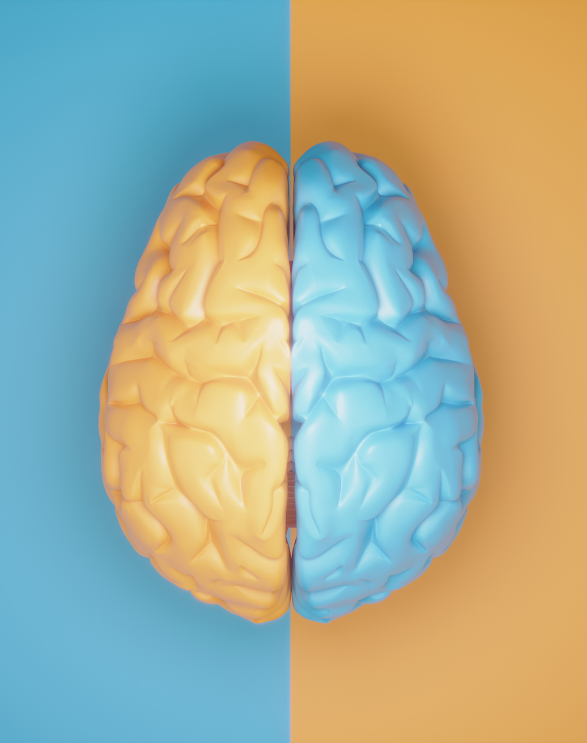
Neurobiological factors play a substantial role in the manifestation and persistence of anxiety. These include neurotransmitter imbalances, brain structure abnormalities, and dysfunctional neural circuits.
Specifically, elevated levels of cortisol and adrenaline, imbalances in serotonin and dopamine levels, insufficient Gamma-Aminobutyric Acid (GABA), an overactive amygdala as well as dysfunction in the prefrontal cortex. default mode network (DMN) and salience network have been associated with anxiety.
These biological elements interact with psychological and environmental factors, creating a complex, multi-layered web of influences that contribute to anxiety disorders.
Treatment for Anxiety
Regardless of the cause, anxiety can be successfully treated. Anxiety treatment involves a multi-faceted approach that may include pharmacotherapy, psychotherapy, lifestyle modifications, and complementary treatments.

Psychotherapy
One-on-one talk therapy is often the cornerstone for the treatment of anxiety disorders.
Cognitive behavior therapy (CBT) is one of the most effective forms of therapy for anxiety, CBT focuses on recognizing and correcting negative thought patterns and behaviors.
Particularly effective for phobias and post-traumatic stress disorder, exposure therapy this involves gradual exposure to anxiety-inducing situations under controlled conditions.
Since anxiety can involve thinking about unpleasant future scenarios, mindfulness-based stress reduction can also help in the treatment of anxiety disorders. It incorporates mindfulness to help individuals focus on the present, quelling their symptoms.

Lifestyle Modifications
Adjusting your habits can help control your anxiety.
Exercise is key. Physical activity has been shown to reduce symptoms of anxiety, likely due to the release of endorphins and the regulation of the stress hormone cortisol.
What you eat can also reduce anxiety as well. Food rich in omega-3 fatty acids, magnesium, and antioxidants can help in managing symptoms.
You should also aim to get the full eight hours of sleep each night. Adequate and quality sleep can significantly impact anxiety levels.
Some individuals find relief from anxiety symptoms through acupuncture, though scientific evidence is limited.
Yoga and meditation have also shown promise in reducing symptoms of anxiety by improving relaxation and mental clarity.
Anti-Anxiety Medication
While therapy is working to address anxiety, medication can start helping to alleviate the symptoms. This allows clients to gain long-term benefits while experiencing short-term results.
Medications used to treat anxiety include selective serotonin reuptake inhibitors like fluoxetine or sertraline, which are commonly prescribed for prolonged treatment of anxiety disorders.
Benzodiazepines are used for short-term relief from acute anxiety episodes. Because they have the potential for dependence, they are not recommended for extended treatment.
Pregabalin is also used in generalized anxiety disorder. It has a different mechanism of action compared to SSRIs and is generally well-tolerated.
Often a combination of pharmacotherapy and psychotherapy yields the best results. This is especially true for complex or chronic cases of anxiety, where medication can provide quick symptom relief and psychotherapy can help address the underlying issues.

Neurofeedback
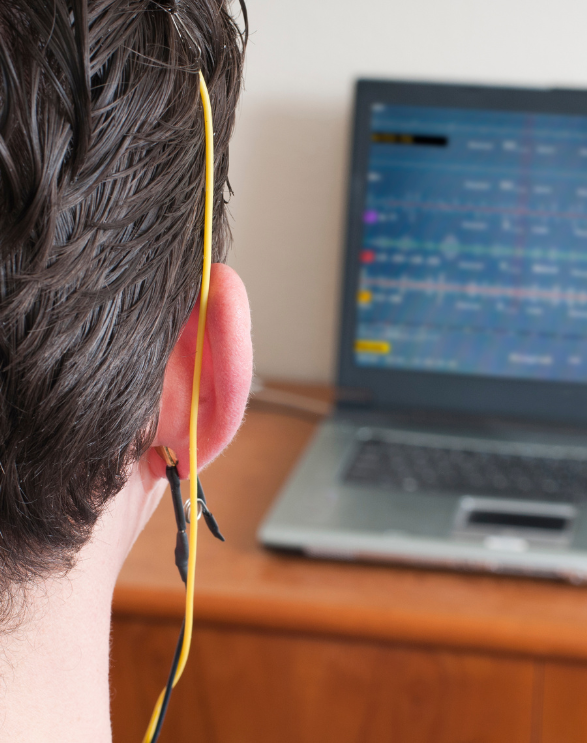
Neurofeedback is a non-invasive way to treat anxiety. Using games, movies, or sounds, neurofeedback helps clients train their brains to stay in an optimal state.
Neurofeedback has no side effects and is safe for adults and children. There is no pain or recovery time required after sessions. It works for a variety of conditions, including anxiety, depression, ADHD, post-traumatic stress disorder and more.
Anxiety Can Be Conquered
The journey toward managing anxiety may seem daunting, but take heart in knowing that a range of proven treatments are within reach. Advances in both medication and psychotherapy offer a tailored approach that addresses your specific needs, giving you a real chance at a life less burdened by anxiety. The path to reclaiming your peace of mind starts with the first step, and you don’t have to take it alone. Help is available, hope is warranted, and a brighter future is not just a possibility—it’s a promise.

- Baker, D. (2014, July 5). 50 sufferers describe depression for people who’ve never been depressed. HuffPost UK. Retrieved October 17, 2021, from Huffington Post
Other Conditions We Treat

Depression

Stress

ADHD
Bipolar Disorder

Grief and Loss

Anger Management
And More
Anxiety
Stress
ADHD
Bipolar Disorder
Grief and Loss
Anger Management
Mental Health Resources
-

Can You Use FMLA for Mental Health?
Yes, under the FMLA, eligible employees can take up to 12 weeks of unpaid leave per year to address qualifying family-related or health issues – including mental health ones – without the fear of losing their jobs. Here are the general eligibility criteria for both employees and employers…
-
What is the Hardest Mental Illness to Have?
Mental health is a complex part of our wellbeing, deeply personal and uniquely challenging for each one of us. When it comes to mental illnesses, there is no one-size-fits-all. Each condition brings its own set of obstacles and experiences. When we ask, “What is the hardest mental illness to have?” the answer is far from…
-
Does My Child Have ADHD?
Attention-Deficit/Hyperactivity Disorder (ADHD) is a neurodevelopmental disorder commonly recognized in childhood. ADHD manifests through pronounced symptoms of distractibility, impulsiveness, and, in many cases, excessive activity that is beyond the expected behavior for a person’s age and development.

-
Can You Use FMLA for Mental Health?
Yes, under the FMLA, eligible employees can take up to 12 weeks of unpaid leave per year to address qualifying family-related or health issues – including mental health ones – without the fear of losing their jobs. Here are the general eligibility criteria for both employees and employers…
-
What is the Hardest Mental Illness to Have?
Mental health is a complex part of our wellbeing, deeply personal and uniquely challenging for each one of us. When it comes to mental illnesses, there is no one-size-fits-all. Each condition brings its own set of obstacles and experiences. When we ask, “What is the hardest mental illness to have?” the answer is far from…
-
Does My Child Have ADHD?
Attention-Deficit/Hyperactivity Disorder (ADHD) is a neurodevelopmental disorder commonly recognized in childhood. ADHD manifests through pronounced symptoms of distractibility, impulsiveness, and, in many cases, excessive activity that is beyond the expected behavior for a person’s age and development.
Latest News
-
Limerence: What It is, What Causes it, and How to Stop It
Limerence is a complex emotional state involving an intense and often overwhelming desire for an emotional connection with another person, hoping deeply for those feelings to be reciprocated.

-
Top 10 Questions About Art Therapy for Mental Health
Art therapy has recently gained recognition for its unique blend of healing therapy and personal expression. Despite its growing popularity, there seems to be some misunderstanding about what art therapy entails, who it can benefit, and how it differs from other forms of therapy.

-
ADHD Strengths: The Positive Side of Attention Deficit Hyperactivity Disorder
Scattered minds, fidgety bodies, and difficulty focusing. Attention Deficit Hyperactivity Disorder (ADHD) often gets painted in shades of struggle. But what if there’s a brighter side to the story? What if, beneath the challenges of ADHD, lie unique strengths just waiting to be unlocked?

We accept most major insurances and private pay options are available









If you do not see your insurance carrier above, please contact us to verify your benefits